
Exploring the psychological triggers behind gambling decisions
Daftar Isi
The allure of risk and reward
The psychology behind gambling is deeply intertwined with the concepts of risk and reward. People are naturally drawn to situations where they can win something significant with a relatively small investment. This thrill often stems from the unpredictability of outcomes, which can trigger a surge of excitement and anticipation. In this context, many players explore casinos not on gamstop, seeking a more flexible gaming environment. This emotional rollercoaster is a powerful motivator for many gamblers, as the potential for a life-changing win outweighs the risks in their minds.
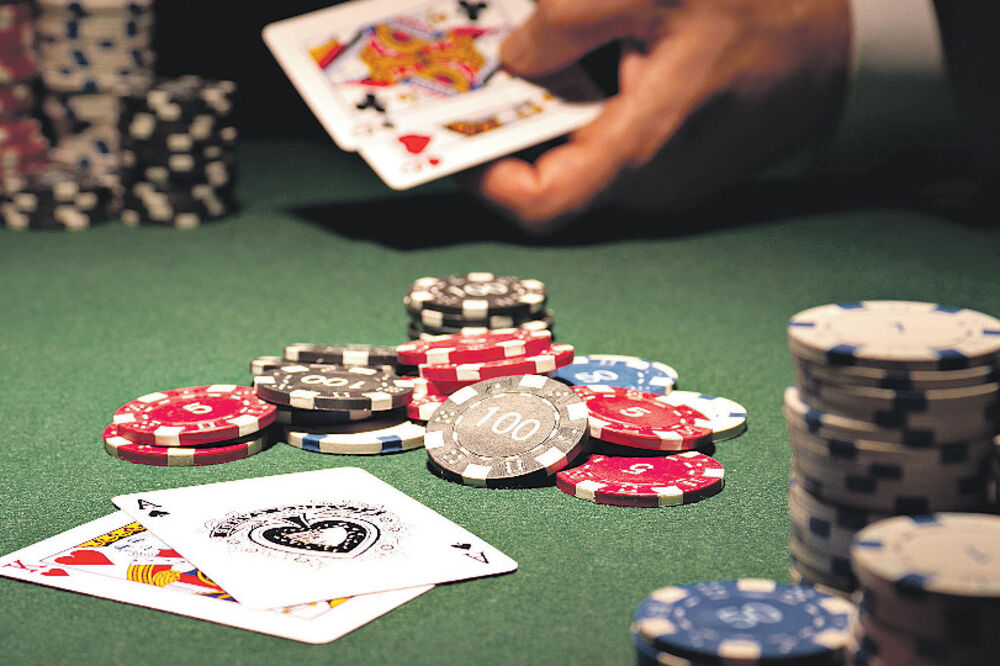
Additionally, the brain releases dopamine, a neurotransmitter associated with pleasure and reward, during gambling activities. This chemical reaction reinforces the behavior, creating a feedback loop where the more one gambles, the more one desires the associated highs. Understanding this mechanism is crucial for recognizing why some individuals may develop compulsive gambling behaviors.
Social influences on gambling behavior
Social factors play a significant role in shaping gambling decisions. Peer pressure, cultural norms, and the desire for social acceptance can encourage individuals to participate in gambling activities. When surrounded by friends who gamble, individuals may feel compelled to join in, believing that it enhances their social experience. This social aspect often outweighs rational decision-making, leading individuals to gamble beyond their financial means.
Moreover, the normalization of gambling in certain cultures can further entrench these behaviors. For instance, marketing strategies that showcase gambling as a glamorous or exciting pastime can influence perceptions and behaviors. As people observe others enjoying successes, they may be lured into participating without fully understanding the consequences, making the social dimension a critical factor in gambling psychology.
The impact of cognitive biases
Cognitive biases significantly affect how individuals perceive gambling and make decisions. One common bias is the illusion of control, where gamblers believe they can influence the outcome of a game, despite it being purely based on chance. This false sense of control can lead to more frequent gambling and increased risk-taking as individuals chase their perceived control over the results.
Another prevalent bias is the gambler’s fallacy, where individuals believe that past outcomes influence future results. For example, if a player has lost several games in a row, they may feel that a win is “due” soon, prompting them to continue gambling in hopes of reversing their luck. These cognitive distortions illustrate how the human mind can skew perception and lead to poor decision-making in gambling scenarios.
The role of emotional states in gambling choices
Emotional states significantly influence gambling behavior. People often turn to gambling as a form of escape from stress, anxiety, or depression, seeking solace in the thrill of the game. In such instances, the activity becomes a coping mechanism, leading to impulsive and potentially harmful decisions. The temporary relief gained from gambling can create a cycle of dependency, where individuals gamble more to relieve emotional distress.
Conversely, positive emotional states can also trigger gambling, as individuals may gamble to celebrate successes or enhance feelings of happiness. This behavior can lead to overindulgence, as the line between responsible enjoyment and compulsive gambling becomes blurred. Understanding how emotions interact with gambling choices is vital for individuals to recognize unhealthy patterns and seek help when necessary.

Finding a safe gaming environment
When exploring gambling options, it’s essential to prioritize a safe and responsible gaming environment. Players should seek out platforms that promote fair play and responsible gambling practices. This ensures that the thrill of gambling does not come at the cost of personal well-being. Trusted casinos often provide resources and support for those who may struggle with gambling-related issues.
For beginners, educating oneself about the psychological aspects of gambling and recognizing one’s triggers is crucial. Online platforms are increasingly offering insights and tools to help players make informed decisions, promoting a healthier relationship with gambling activities. By choosing well-regulated sites and understanding the psychological triggers at play, individuals can enjoy a more balanced and enjoyable gaming experience.